The Complete Guide for First-Time Gold Buyers: Where Should You Start?
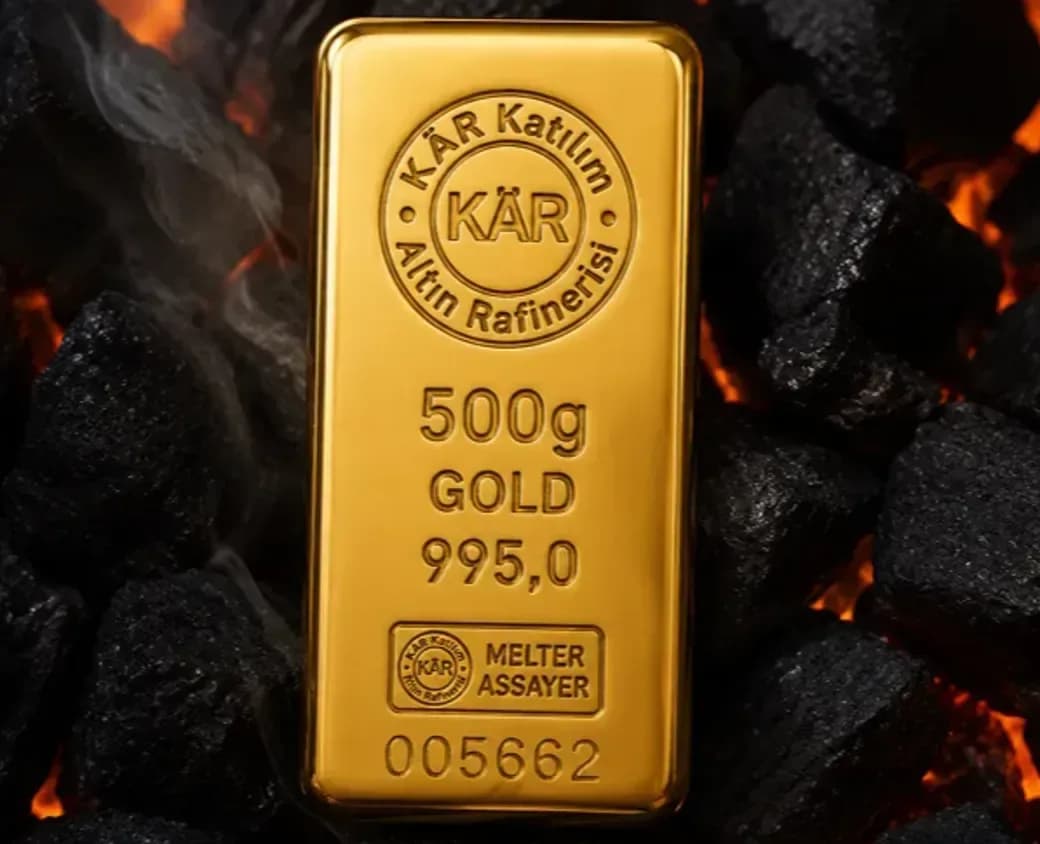
Buying gold may seem appealing, but for many people, knowing where to start can be difficult. Which weight? What fineness? Which seller? When these questions remain unanswered, people either postpone their decision or make a rushed choice that they may later regret. In fact, with the right information, buying gold for the first time does not have to be complicated or unnecessarily risky. The differences between physical and digital gold, choosing a weight that fits your budget, identifying a reliable seller, and understanding how to store your gold safely — we cover each of these points step by step.
5 Key Concepts to Understand Before Investing in Gold
Before entering the gold market, there are five key concepts you should understand: karat (purity), fineness (fine gold content), bullion bars (workmanship-free fine gold), certification (assurance of weight and fineness), and KMTS (the government tracking system). Without a clear understanding of these concepts, buying gold can quickly become a matter of guesswork.
Physical Gold or Digital Gold? Differences and Risks
Physical gold is a tangible asset that you can hold, store, and transfer. Digital gold, on the other hand, is a balance recorded on a platform; physical delivery is not always guaranteed, and you are entirely dependent on the reliability of the platform holding your balance. For long-term savings and preserving wealth in a tangible form, physical certified gold remains a more secure option.
Which Gold Weight Should I Start With Based on My Budget?
For first-time buyers, a 1-gram or 2.5-gram bullion bar is often a practical choice. These weights offer an accessible entry point while providing the assurance of a certified product. As your budget increases, 5-gram and 10-gram bars can become more cost-effective on a per-gram basis. Rather than starting with a large bar, beginning with a smaller amount allows you to become familiar with the market and build your investment gradually.
How Can I Identify a Reliable Gold Seller?
A reliable seller should meet three fundamental criteria: a valid operating license issued by the Turkish Ministry of Treasury and Finance, certified products approved by the General Directorate of Mint and Stamp Printing, and an insured delivery infrastructure. In addition, offering KMTS-registered products and applying KYC (Know Your Customer) procedures are strong indicators of a properly regulated and professionally operated platform. Purchasing gold from sellers that do not meet these criteria can expose buyers to unnecessary risks.
Common Mistakes First-Time Buyers Make
One of the most common mistakes is buying uncertified gold. The second is choosing an unauthorized seller simply because the price appears more attractive. Another is accepting delivery of a high-value product without insured shipping. Buyers should also inspect the packaging upon delivery. Packaging that has been opened or damaged may raise questions about the product's authenticity and condition.
Step-by-Step: Buying Your First Gold from KÂR Katılım Altın Rafinerisi
At KÂR Katılım Altın Rafinerisi, you can submit a purchase request through the relevant product page for bulk gold purchases and allow us to contact you using the contact details you provide. To obtain detailed information about multiple gold purchases, you can also submit a purchase request or contact us through the Contact section of our website to request further information.
Alternatively, you can create an account on KÂRGold, the online sales platform of KÂR Katılım Altın Rafinerisi A.Ş., and purchase gold immediately. The process begins with product selection, during which the compliance checks for your account are completed. Payment is then made.
Each product is secured with a KMTS-registered security label, certified packaging, and a serial number verification system.
Where and How Should I Store My Gold?
For physical gold, some of the safest storage options are a bank safe-deposit box or a home security safe. Certified packaging should be kept intact, as opened packaging may cause difficulties during resale or secondary-market transactions. Keeping gold away from excessive humidity and significant temperature fluctuations is generally sufficient for long-term storage.