What Are Making Charges in Gold Investment? Which Gold Products Have Lower Making Costs?
Knowing exactly what you are paying for when buying gold can have a direct impact on your investment return. When two gold products of the same weight are placed side by side, one may appear more expensive than the other. But the real question is: how much of that difference reflects the actual value of the metal, and how much represents making charges? Investors who overlook this distinction may face an unexpected loss when they sell. Making charges are therefore one of the most important factors to consider when choosing between different types of gold.
What Do Making Charges Mean in Gold?
Making charges are the costs involved in transforming raw gold into jewelry, bracelets, or similar finished products. These costs cover factors such as design, tooling, craftsmanship, and production, and are reflected in the final selling price. When gold jewelry is melted down, reshaped, or sold, the making charges generally cannot be recovered because gold is typically bought back based primarily on its underlying metal content.
How Do Making Charges Affect the Price of Gold?
The price of a gold bracelet or piece of jewelry generally consists of the value of its gold content plus making charges. The amount charged for workmanship varies depending on the complexity of the product, its design, and the manufacturer. For example, if the market price of one gram of gold is USD 100, a bracelet containing the same amount of gold might sell for USD 115. The USD 15 difference represents the additional making charge and is generally not recovered when the item is sold.
What Is Workmanship-Free Gold?
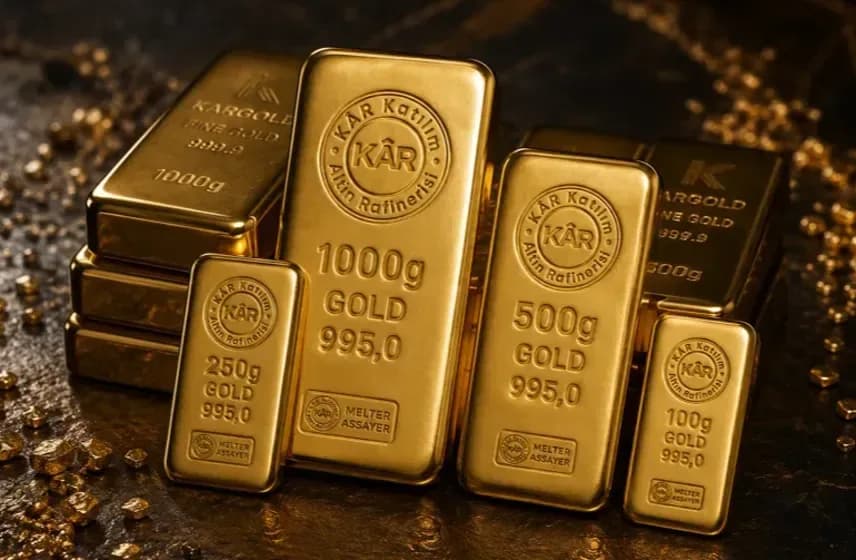
Workmanship-free gold refers to gold products whose price primarily reflects the value of the metal itself, without additional design or shaping costs. Refinery-produced gram bullion bars are one of the clearest examples. Their value is primarily determined by their weight and fineness, along with applicable market and production costs.
The Difference Between Investment Gold and Jewelry Gold
Gold jewelry carries aesthetic value, includes making charges, and these charges are generally lost when the item is resold. Investment gold, such as certified bullion bars, is valued primarily according to its metal content. For long-term savings and investment, bullion bars may be preferable, while jewelry or traditional gold pieces may be more suitable for gifting or personal use. Treating the two as the same type of investment can be misleading.
Does Gram Gold Have Making Charges?
Refinery-produced gram bullion bars do not include jewelry-style making charges. A certified gram bullion bar primarily reflects the value of its gold content. However, some products marketed as “gram gold” may actually be small jewelry pieces or medallions, in which case making charges may be included in the price. One way to distinguish between them is to check whether the product comes with refinery certification.
How Are Making Charges Calculated for Bullion Gold?
For certified bullion bars, jewelry-style making charges are effectively zero. The price is primarily determined by the international gold price, the USD/TRY exchange rate, and the refinery's processing costs. As a result, the difference between the purchase and buyback prices can be considerably narrower than with jewelry or traditional gold products.
Do Making Charges Matter When Selling Gold?
When a jeweler buys back gold jewelry, the offer is generally based on the gold content rather than the original making charges. This is why the difference between the purchase price and the resale price can be significant for jewelry. With certified bullion bars, the spread can be considerably narrower, with buyback prices generally tracking the underlying market price more closely.
What Should You Consider When Choosing Gold for Investment?
When buying gold for investment purposes, three criteria should be prioritized: no jewelry-style making charges, certification and KMTS registration, and production by an authorized refinery. The gram bullion bars offered by KÂRGold meet these criteria, reaching end customers directly from the refinery as certified, Darphane-approved, and workmanship-free products.